

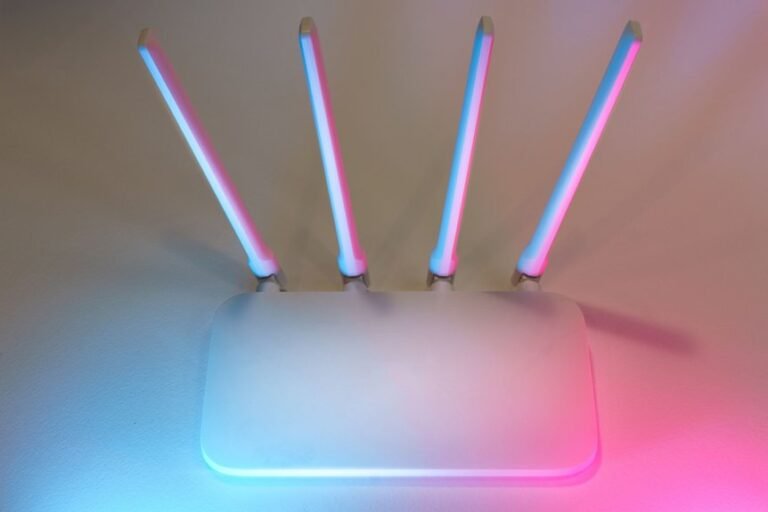
The 168.50.1 router provides a dedicated admin interface for local network management. Access typically requires a default login found in device documentation or on the unit label, with reset options available if credentials are forgotten. Security basics include changing the admin password and enabling strong WPA3-enabled Wi‑Fi when possible. Proper maintenance covers firmware updates and regular backups. The guide outlines these steps and issues a practical invitation to address prioritizing credential control and ongoing configuration integrity.
What Is the 168.50.1 Router and How to Access Its Admin Page
The 168.50.1 router is a gateway device that manages local network traffic and provides access to the device’s web-based administration page. It delivers fundamental Networking basics and supports LAN topology awareness. Users explore connectivity options, IP addressing, and subnet delineation while preserving autonomy. This device documents configuration steps, security implications, and performance considerations without unnecessary complexity or disallowed content.
Where to Find the Default Login and How to Reset If Needed
To access the admin interface, the default login credentials are typically found in the device’s documentation or on a label located on the router itself.
The section describing the default login also covers the reset procedure, including how to perform a factory reset if credentials are lost.
It notes impacts on firmware updates and backups.
Step-by-Step Security Basics: Changing the Admin Password and Wi‑Fi Settings
Administering secure access starts with changing the admin password and configuring Wi-Fi settings. The procedure specifies selecting a strong, unique password, enabling WPA3 if available, and disabling guest networks without necessity. Security auditing tracks changes and logs attempts for compliance. Password recovery options should be updated, with recovery questions and backup contact methods documented. Settings remain auditable, reducing exposure and maintaining control.
Essential Setup and Maintenance: Firmware, Backups, and Ongoing Secure Use
Firmware management, data integrity, and continuous secure operation follow from basic access controls by establishing verified firmware sources, enabling automatic updates where supported, and scheduling regular backups.
The discussion centers on two word ideas: firmware maintenance and backup strategies.
This approach emphasizes minimum exposure, reproducible maintenance windows, and verifiable integrity checks, ensuring resilient uptime while preserving user autonomy and trust in firmware ecosystems.
Frequently Asked Questions
What if I Forgot the Admin Username?
If the admin username is forgotten, the router login access may be recovered via factory reset, or device documentation; then the user can reconfigure, enabling remote access and guest network settings, while securely storing credentials to prevent forgot admin.
Can I Access the Router Remotely?
Remote access is possible if the router enables it and proper user permissions are granted; otherwise, it is not. A traveler’s key illustrates secure remote access, emphasizing limited, audited credentials and explicit permissions for safe, controlled connectivity.
How Do I Configure Guest Network Access?
A guest network can be configured by enabling a separate SSID, isolating traffic, and applying strong network security policies; periodically perform firmware updates to maintain security and reliability, ensuring access controls align with user freedom preferences.
What Are the Recommended Firewall Settings?
The recommended firewall settings emphasize strict, default-deny rules with explicit allowlists; monitor intrusion attempts, update signatures, and segment networks. Ensure network security practices support parental controls where appropriate, balancing access freedom with prudent restrictions and visibility.
How Do I Recover a Corrupted Backup File?
A single metaphor opens the explanation: a recovery file reveals truth. To recover a corrupted backup, verify media integrity, reattempt restoration from a known-good source, and assess backup integrity before repeating, documenting steps and outcomes for audit.
Conclusion
In securing the 168.50.1 gateway, precision matters: a strong admin password and WPA3-enabled Wi‑Fi form the first line of defense. The coincidence is clear—the same steps that guard a small home network also protect broader assets when shared devices converge on the same protocol standards. Regular firmware updates, backups, and activity auditing align with best practices, ensuring that routine maintenance reliably reinforces security, not just convenience. Vigilance today reduces risk tomorrow.