

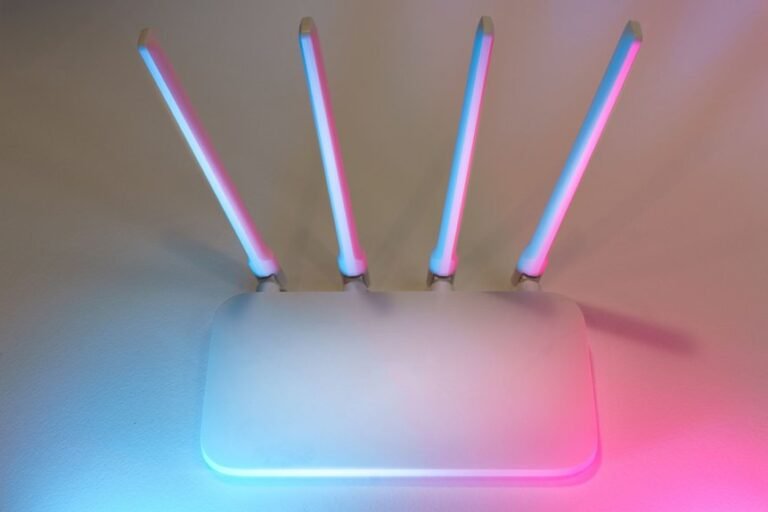
The 168.6.2 Router Setup Guide presents a precise, methodical path to secure administration via the local web interface. It outlines accessing the dashboard at 168.6.2, then fortifying security by changing default admin credentials and using a unique username with a strong password. The guide also covers streamlined Wi‑Fi setup, uniform firmware, and centralized onboarding for verified devices. A disciplined save-and-review routine and clear rollback procedures are emphasized, leaving a prudent question to consider as essential steps unfold.
How to Access the 168.6.2 Admin Dashboard
To access the 168.6.2 admin dashboard, users should connect a device to the router’s local network and open a web browser directed to http://168.6.2 or https://168.6.2.
The interface presents concise sections for dashboard security and firmware updates, enabling authorized configuration.
Navigation is methodical and controlled, emphasizing reliability, privacy, and freedom through precise administrative access.
Change Default Admin Credentials for Security
Changing the router’s default admin credentials is a critical security step that reduces exposure to unauthorized access; the procedure should be executed promptly and accurately.
The process involves selecting a unique username, creating a strong password, and updating credentials through the admin interface.
This reduces offline latency concerns and supports hardware longevity by preventing unauthorized configuration changes.
Quick Wi‑Fi and Network Setup You Can Trust
Quick Wi-Fi and Network Setup You Can Trust: Establishing a reliable home network begins with a streamlined, secure configuration process. The procedure outlines intentional steps for quick setup, emphasizing consistent firmware, unique SSID, and strong encryption. A trusted network is achieved through centralized administration, verified device onboarding, and real-time monitoring, minimizing risk while preserving user autonomy and flexibility.
Save, Review, and Troubleshoot Common Issues
As the setup progresses from establishing a stable network configuration, attention shifts to saving, reviewing, and troubleshooting common issues. The process emphasizes documented backups, periodic checks, and disciplined rollback options. Identify lost press topics and align settings with current design trends, ensuring resilient connectivity.
Troubleshooting remains systematic: reproduce fault, isolate cause, apply fix, verify, and log outcomes for future audits.
Frequently Asked Questions
How to Recover a Forgotten Admin Username?
The forgotten admin can be recovered via the recovery process when possible; if not, a factory reset is necessary, noting device compatibility and risks. This detached reader considers risks while pursuing authorized steps and freedom through precise methods.
Can I Reset to Factory Settings Without Losing Config?
Yes, a reset cannot preserve existing config; perform a factory reset, then reconfigure from scratch. To update, install firmware via manual update. If preserving settings is required, back up settings before initiating any reset or reset defaults.
Is There a Guest Network Isolation Option?
Yes, the router supports guest network isolation, allowing separate traffic separation for visitors; and it offers multiple devices parental controls to limit access. This configuration is precise, methodical, authorized, and intended for users who value freedom.
How to Update Router Firmware Manually?
Silence is like a reset button: firmware update requires a manual upgrade via the router’s admin interface. To proceed, download the correct file, then apply it while noting guest network settings and parental controls remain configurable afterward.
Are There Parental Controls for Multiple Devices?
Parental controls are available, enabling multi device management. The system supports configuring limits, schedules, and content blocks across multiple devices, offering centralized policy enforcement. This approach preserves user autonomy while preserving secure, accountable network usage.
Conclusion
In its calm, methodical cadence, the 168.6.2 setup guides readers through a secure onboarding ritual. The dashboard unfolds like a trusted map, each credential a guardrail against intruders, each update a steady heartbeat of reliability. Security and order emerge from disciplined steps: change the default, lock the doorway, align SSID and encryption, and document every choice. When configuration is saved and reviewed, the network stands resilient—ready to serve, watchful, and quietly confident.