

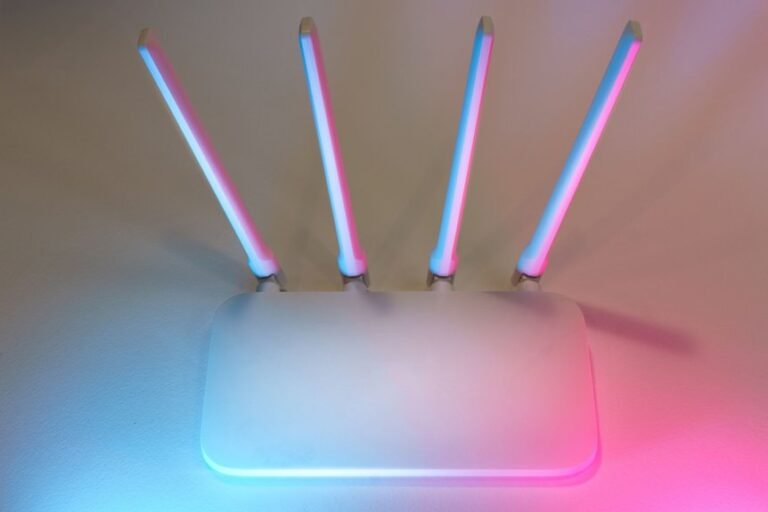
Access to the 168.1.112 admin panel starts at the router’s web address, typically http://168.1.112 or https://168.1.112. The initial login uses default credentials found on the device label or manual, and changing them immediately is essential. Subsequent steps cover securing the network with a unique SSID, strong encryption, and a robust password, followed by routine firmware updates and audits. The stakes are clear: misconfigurations invite exposure, so precision matters as the setup unfolds toward a stable, auditable configuration.
How to Access the 168.1.112 Admin Panel
To access the 168.1.112 admin panel, open a web browser and navigate to http://168.1.112 or https://168.1.112. The page presents a secure gateway for configuring firmware and settings. It emphasizes network security and router branding considerations, with access controls and auditing. Users should verify legitimacy, apply updates, and maintain offline backups to preserve freedom and integrity.
Default Credentials and First Login Steps
Access to the router’s admin interface requires using the default credentials provided by the manufacturer, which are typically documented in the device manual or on the unit’s label. The first login should occur promptly to change these credentials.
Users should assess privacy concerns and configure access controls, especially if remote access is enabled, to prevent unauthorized administration.
Secure Your Network: Wi‑Fi Name, Password, and Encryption
Choosing a strong Wi‑Fi name (SSID) and a robust password, paired with up-to-date encryption, is essential for securing the router’s wireless network; proper configuration reduces exposure to unauthorized access and limits potential intrusions.
The process emphasizes router security and wireless encryption, ensuring broadcasted identifiers remain unique while credentials resist guessing, preventing lateral movement and maintaining trusted connectivity for freedom‑seeking users.
Firmware Updates and Routine Maintenance
Firmware updates and routine maintenance are essential for sustaining router performance, security, and compatibility with connected devices. Regular checks ensure firmware integrity and feature availability.
A security audit should verify configuration consistency and vulnerability exposure. Procedures include planned updates, documentation, and rollback readiness.
If issues arise, perform a firmware rollback to a stable build, then revalidate connectivity and device access.
Frequently Asked Questions
Can I Change the Router’s IP Address From the Default?
Yes; the router’s IP address can be changed from the default. If performed, ensure a secure change log, update firmware as needed, and set a strong change password to prevent unauthorized access, then document the new management address for future access.
How Do I Reset the Router Without Losing Settings?
Performing a reset restores defaults; to preserve configuration, initiate a reset procedure, then use backup recovery to reapply settings. The reset procedure should be documented, ensuring backup recovery steps are followed for a seamless restoration and freedom from data loss.
Is Guest Network Isolation Available on This Model?
Guest network isolation is model-dependent; some units support it and others do not. If available, enable it alongside parental controls, ensuring isolated guest access while maintaining overall network freedom and security. Verify feature support in the administration interface.
How to Remote Manage Ports and DMZ Settings?
Like a tight-rope walker above a storm, the guide explains remote management, port forwarding, and DMZ settings. It details guest network isolation, with precise steps for enabling, configuring, and auditing secure remote management and DMZ access.
What Parental Controls Are Built Into the Firmware?
The firmware provides basic parental controls, including content filtering and time-based access restrictions, though effectiveness varies; parsing firmware reveals a need for regular updating firmware to maintain feature integrity and security. It enables independent review and updating firmware.
Conclusion
The guide finishes as a precise roadmap, where certainty threads through every step. Access remains guarded by correct credentials, and the login door opens to a dashboard of control. A shielded Wi‑Fi name and strong passcode anchor the network, while current encryption keeps eavesdroppers at bay. Regular firmware updates act as ongoing armor, with routine checks sustaining performance. When issues arise, a swift rollback restores harmony, preserving stability and secure, reliable connectivity.