

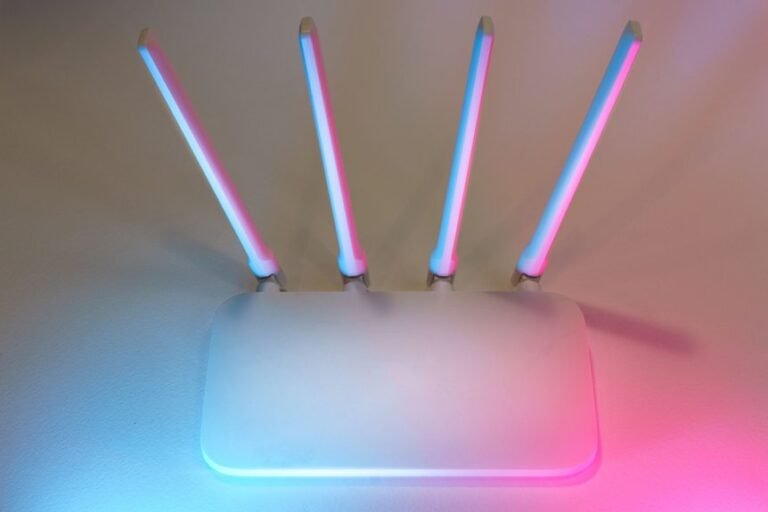
Accessing the 168.0.55 router requires a stable connection, current firmware, and correct admin credentials. The process should be methodical: verify power, join a trusted network, and open the admin portal via the known IP. Credentials must be securely stored and promptly updated from defaults. After sign-in, enforce strong security—update firmware, enable robust Wi‑Fi encryption, and segment networks. The setup should be auditable and minimally exposed, with controls in place to document changes; an unresolved detail awaits your next step.
How to Access the 168.0.55 Router Login
To access the 168.0.55 router login, begin by confirming the device is powered on and connected to the router via Ethernet or a secure wireless network.
The procedure emphasizes accessibility concerns and mitigates outdated interfaces, ensuring a stable path for authorized users.
A disciplined, security-focused stance preserves freedom while reducing exposure to weak, obsolete management panels and insecure defaults.
Entering Credentials: What to Use and Where to Find Them
Accessing the router’s management interface requires correct credentials and knowledge of where they are stored. Access credentials include the login portal details and admin password, noting default vs. changed states. Discovery tips identify where credentials reside, guiding router access and post login config. Perform a firmware check, assess wifi security, and follow troubleshooting steps before proceeding with any sensitive changes.
Essential Security Steps: Change Password, Wi‑Fi, and Firmware
Essential security starts with decisive actions: changing the router’s default credentials, enabling a robust Wi‑Fi configuration, and verifying firmware integrity. This disciplined approach supports ongoing security auditing, ensuring changes are tracked and validated.
Implement network segmentation to limit lateral movement and protect critical devices. Regular password rotation and firmware verifications reinforce resilience, reducing exposure while preserving users’ freedom to operate securely.
Post-Login Setup: Basic Configuration and Troubleshooting
After securing the device and verifying firmware integrity, the focus shifts to post-login setup: establishing solid basic configurations and preparing for potential troubleshooting. The process emphasizes minimal exposure, clear access policies, and immutable logs. Entities implement firmware troubleshooting steps and configure parental controls judiciously, ensuring resilience. Connectivity, updates, and audit trails remain central to preserving freedom and dependable network operation.
Frequently Asked Questions
Can I Reset the Router Without Losing All Settings?
The answer: Yes, a reset can be performed without losing settings only via a controlled reset procedure; however, to preserve security, perform a firmware security check post-reset, reconfigure selectively, and verify encryption and access controls.
What Is the Default IP Address for Admin Login?
The default IP for admin login is the device’s default gateway address. It requires secure access and updated firmware; maintain network security and perform firmware updates promptly, ensuring admin login remains protected while preserving user freedom and control.
How Do I Enable MAC Address Filtering?
To enable MAC address filtering, the router’s interface must be accessed, security settings located, and the feature activated with allowed device addresses saved; enable VPN and parental controls to reinforce privacy while preserving user freedom and control.
Can I Update Firmware Manually via USB?
Firmware can be updated manually via USB; the process involves loading a verified firmware file through USB port basics, then applying it securely. The device emphasizes integrity checks and trusted sources, ensuring firmware file handling remains transparent and controlled for freedom seekers.
How Do I Back up and Restore Router Config?
Back up configuration by exporting from the router interface; store securely. For restoration, use restore settings via USB methods or local file. Ensure firmware upgrade compatibility, verify signatures, and maintain encrypted backups to preserve freedom and integrity.
Conclusion
In a quiet harbor, a lighthouse keeper tends a steady, guarded flame. The router stands as the beacon, its passwords the keeper’s signal flags, each key a surestep on a fog-free path. When firmware is refreshed and Wi‑Fi locked tight, ships no longer drift toward unseen shoals. Logs become the tide chart, audits the compass. With disciplined updates and strict access, the network sails securely, a mindful voyage through ever-changing seas.