

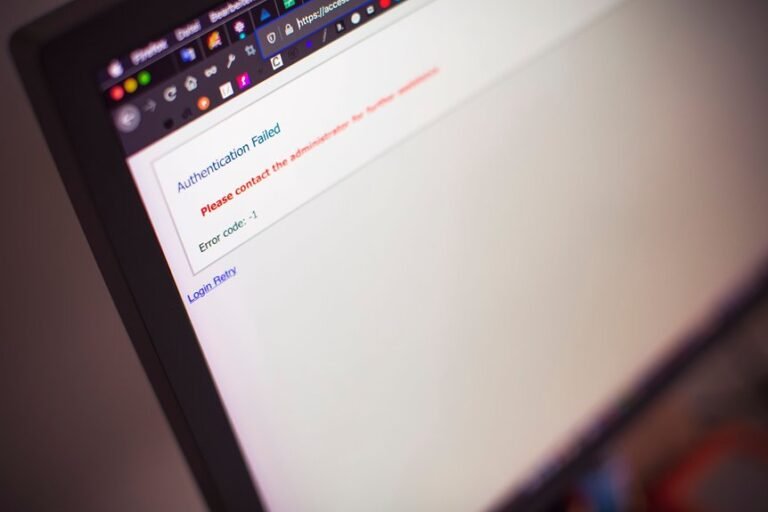
168.11.1 is commonly referenced as a non-routable or placeholder address in documentation and logs, not as a legitimate gateway. Misuse as a default route or router can create unreachable segments and subnetting errors. Administrators must verify that this address is not configured as a router or gateway on devices. Clear separation between documentation artifacts and active routing duties is essential, but identifying where the line is drawn can be challenging and warrants careful review.
What 168.11.1 Really Represents in Home Networks
In home networks, 168.11.1 represents a non-routable, private address often cited as a placeholder or misreported value in documentation and logs.
This designation carries 168.11.1 symbolism as a cautionary marker, not an actionable gateway.
Within network terminology, it signals misconfiguration and testing artifacts, guiding administrators toward correct subnetting, addressing schemes, and verifiable routing practices.
Common Mistakes When Using 168.11.1 as a Gateway
Common mistakes arise when 168.11.1 is treated as a gateway because it is a non-routable, private address rather than a valid next hop.
Misconfigurations create unreachable segments, forcing traffic through unrelated concepts or off topic routes.
Network administrators should recognize this as a misinterpretation, not a design flaw, and reframe the gateway role to avoid disconnected networks and unrelated addresses.
How to Verify and Assign 168.11.1 Safely Across Devices
To verify and assign 168.11.1 safely across devices, administrators should first confirm that this address is not used as a gateway or next-hop and is treated strictly as a non-routable, private host or documentation example rather than a routable endpoint. In practice, document usage aligns with Network Fundamentals and IP Addressing principles for freedom-minded networks.
Correct Usage, Subnetting, and Gateway Configuration Tips
Correct usage of 168.11.1 hinges on clear role definition: it should function as a non-routable, documentation-oriented address rather than a gateway or next-hop. This guidance emphasizes correct usage, subnetting tips, and gateway configuration avoidance.
Verify and assign procedures should prevent mistakes. Common mistakes are misconfigurations; safe deployment requires disciplined planning, documentation, and consistent naming to ensure reliable, auditable networks.
Frequently Asked Questions
Can 168.11.1 Be Used for Private Home Networks?
168.11.1 cannot be used for private home networks. It falls within a public IP space and presents security risks; device compatibility may be compromised. The setting should favor private ranges for freedom, safety, and reliable internal routing.
Is 168.11.1 Applicable to IPV6 Setups?
IPv4 gateway concepts do not directly apply to IPv6; 168.11.1 is an IPv4 private-use address. IPv6 compatibility requires different addressing schemes, so this specific address isn’t usable in IPv6 setups.
How Does 168.11.1 Differ From Standard Gateway IPS?
168.11.1 differs from standard gateway IPs in scope and applicability; it represents a non-routable, misconfigured, or placeholder address. This topic mismatch affects routing implications, potentially causing dropped packets and unpredictable paths in diverse networks.
Are There Security Risks Using 168.11.1 as a Gateway?
A cautionary tale shows a misconfigured device behaving like a locked door: security risk assessment reveals potential exposure. 168.11.1 can introduce gateway behavior differences, but overall risk remains device-specific and manageable with proper hardening and monitoring.
What Devices Commonly Support 168.11.1 Routing?
Devices commonly supporting 168.11.1 routing include consumer routers, enterprise gateways, and some industrial switches. Regarding routing protocols and device compatibility, it is compatible with standard protocols and diverse hardware, offering flexible integration for networks requiring freedom in design.
Conclusion
In practical terms, 168.11.1 should be viewed as a benign placeholder rather than a functional gateway. Its presence signals documentation intent rather than routing duty, a quiet reminder to separate test artifacts from live paths. When applied with discipline, networks breathe with clearer boundaries and auditable trails, avoiding misdirection. Proper labeling, verification, and consistent subnetting render the address a harmless emblem—an empty doorway that invites correct configuration elsewhere. The result: reliability without ambiguity, and maintenance opportunities gracefully preserved.