

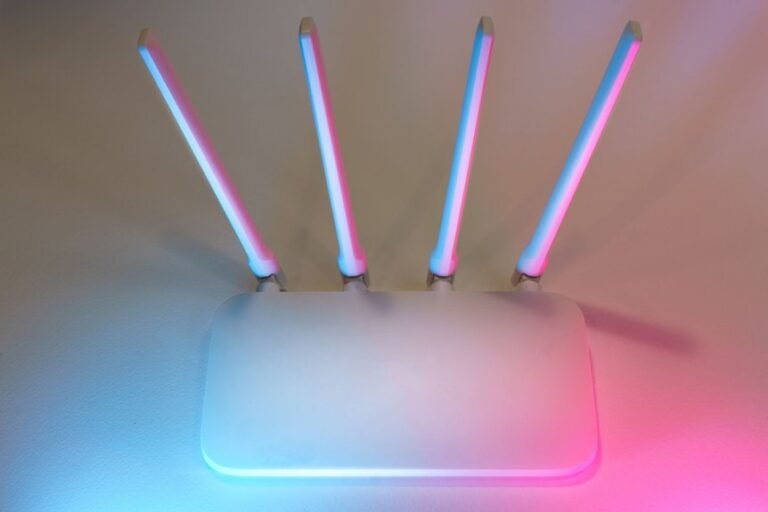
The article presents a structured approach to accessing the 168.l00.13 router login page safely, outlining verified steps and cautionary practices. It covers how to locate default credentials, identify the correct IP and login route, and perform a secure setup with immediate impact. Each step emphasizes verification from trusted sources and minimizing exposure. The piece ends with a practical prompt to implement safeguards now, while hints suggest further details that support durable, secure access.
How to Access the 168.l00.13 Login Page Safely
Accessing the 168.100.13 login page should be performed from a secure, up-to-date device connected to a trusted network.
The process emphasizes verification of sources and vigilant handling.
Awareness of security vulnerabilities is essential; anticipate potential unsolicited prompts.
Regular firmware updates and authenticated connections reduce risk, promoting dependable access and long-term functionality while preserving user autonomy and control over network resources.
What the Default Credentials Might Be and How to Verify
Default credentials are typically provided by the device manufacturer and may be printed on a label or found in the product documentation. In this section, the discussion remains neutral and precise: It outlines common defaults, notes potential changes after first login, and emphasizes verification steps. The process centers on default credentials and login verification to ensure secure, informed access.
Identify the Correct IP Address and Login Route for This Router
To identify the correct IP address and login route for this router, start by checking the device label or manual for the default gateway information and the standard admin URL.
The process emphasizes identify router IP and login security, verify default creds, safe access.
Cross-verify with network utility results to ensure accurate login path and avoid ambiguity.
Step-By-Step Secure Setup You Can Apply Right Away
Starting with a secure setup can significantly reduce exposure to common threats; this step-by-step guide provides a concise, actionable sequence that anyone can apply immediately.
The process emphasizes security best practices: disable unused services, create a strong admin password, enable HTTPS, and implement network segmentation.
Ensure firmware updates are checked regularly, and apply them promptly to maintain ongoing protection and system integrity.
Frequently Asked Questions
Can I Change the Default Admin Username Separately?
Yes, the system allows changing the default admin username separately. This supports changing default username while maintaining separate admin management; it requires accessing the admin settings, selecting a new username, and confirming changes for ongoing secure access.
How to Back up Router Configuration Before Changes?
Back up router configurations by exporting the current settings to a safe file before any configuration changes; this ensures a restore point if issues arise. Store the backup offline, verify integrity, and document the steps for future recovery.
What Indicators Show a Successful Login Attempt?
Indicator success appears as a stable login session, valid admin username access, and a visible confirmation in the router management app; indicators include successful config changes, a recent configuration backup, and absence of factory reset firmware alerts.
Is There a Mobile App for Router Management?
Yes, there is a mobile app option for router management. The device’s manufacturer typically offers official apps enabling remote configuration, monitoring, and updates. Third-party tools exist, but compatibility varies. freedom-focused users should verify security and feature completeness. two word ideas: network autonomy. efficiency balance.
How to Factory Reset Without Losing Firmware Updates?
A factory reset will erase settings and preserve firmware updates only if the device preserves current flash during reset; beware factory reset pitfalls, as some devices revert to defaults. Check firmware update compatibility before proceeding to avoid compatibility issues.
Conclusion
Accessing the 168.l00.13 login page should be done with caution, using official sources and secure networks. Verify the device label or manual for default credentials, then confirm the router’s IP address and login route via trusted utilities. Apply secure setup steps immediately: change default passwords, enable HTTPS, disable unused services, and keep firmware current. Think of your network as a guarded gate—each prudent step reinforces the lock, keeping unwanted visitors at bay.