

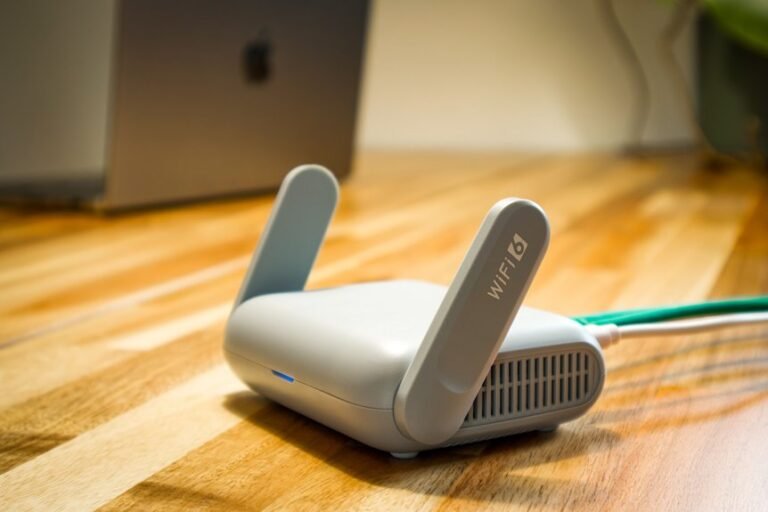
Access to 168.100.38 requires a prepared endpoint and a verified local network connection. The process begins with obtaining a valid DHCP-assigned IP and confirming router branding to ensure vendor support. After login, verify reachability to 168.100.38 via ping or ARP and document responses, then proceed to secure the device with strong credentials and a minimal firewall profile. The setup then covers Wi‑Fi encryption, guest isolation, and firmware update scheduling, but gaps may appear if initial checks are incomplete.
How to Access 168.100.38: Your First Login Steps
To begin, users should connect a device to the router’s local network and ensure the device’s IP settings are configured to obtain an address automatically via DHCP.
The primary topic is accessing the interface at 168.100.38, focusing on router branding, security concerns, and vendor support.
Clear login prompts follow, minimizing jargon while preserving precise configuration steps and freedom of choice.
Verify Your Connection and Device Readiness
Before proceeding, ensure the host device is on the same local network and has obtained a valid IP address via DHCP. The verification focuses on establishing reachable connectivity, stable signaling, and correct gateway alignment. Confirm device readiness without digressing into unrelated topic or off topic tangents. Maintain a precise, detached tone, documenting pings, ARP, and basic router responsiveness for reliable access.
Secure Your Router: Change Passwords and Enable Firewall
Securing the router begins with changing default credentials and enabling the firewall to restrict unauthorized access. The procedure emphasizes strong, unique passwords and admin isolation, aligning with data privacy goals. It notes hardware compatibility constraints, enforces security best practices, and requires periodic firmware updates to sustain protection. Firewall rules should be minimal, well-documented, and tested to ensure reliable, ongoing defense.
Tweak Key Settings: Wi‑Fi, Guest Network, and Admin Access
This section covers optimizing key network settings: Wi‑Fi configurations, the guest network, and administrative access controls. The article describes secure SSID naming, encryption, and channel selection, plus guest isolation and bandwidth limits. Two word, two word, discussion ideas about Subtopic not relevant to the Other H2s listed above. It remains detached, precise, and oriented toward freedom-loving administrators.
Frequently Asked Questions
What if I Forget the Router’s Admin Username?
If the forgotten admin username blocks router access, recovery typically requires factory reset through a physical button and configuration reentry. The process restores defaults, enabling new credentials; note potential loss of custom settings and security implications.
Can I Reset the Router Without Losing Firmware?
Reset guidance is available; you can reset without losing firmware if you perform a proper non-wipe reset and apply configured backups. Firmware preservation is maintained when settings are restored, ensuring hardware integrity and network continuity for freedom-seeking users.
How Do I Update Router Firmware Manually?
The update method involves accessing the router’s admin interface and uploading the firmware file manually. Security considerations include verifying authenticity, using secure connections, and disabling remote updates during the process. Subtopic ideas: firmware integrity, rollback procedure.
Is There a Mobile App for 168.100.38?
No mobile app exists for 168.100.38, so one must rely on web admin access. The device maintains admin access through a browser, not a native app, preserving freedom while delivering precise, technical configuration control. Irony underscores convenience.
How Can I Block Specific Devices From Network?
Blocking devices is possible via the router’s MAC/IP filtering and access control features. Parental controls can restrict device access. The method requires locating the device’s MAC address, then applying blocking rules or schedules accordingly for precise enforcement.
Conclusion
In the final moments of setup, the page waits with a quiet certainty: the network’s future hinges on a single decision. With credentials secured and the firewall watching, the device lies ready, yet the last move remains unmade. A careful glance at firmware prompts, a deliberate tweak of Wi‑Fi and guest isolation, and the administrator awaits the signal to commit. Until that moment, every ping is a reminder that protection—and consequence—are only one click away.