

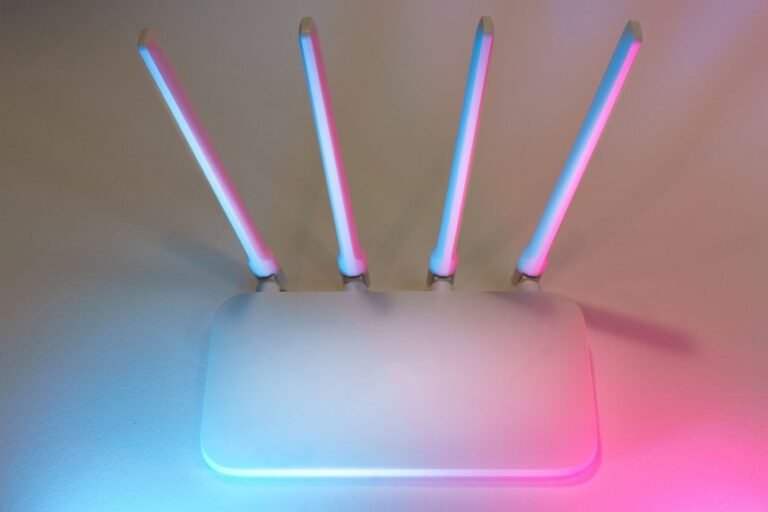
A structured examination of the 168.254.254 router login and default settings guide is essential for secure device access. The piece outlines how to reach the admin panel, verify and replace default credentials, and implement core protections while preserving firmware integrity. It notes prudent management of remote access, strong passwords, and ongoing monitoring. The discussion leaves unresolved how these practices integrate with varied network topologies, inviting further consideration of real‑world constraints and implementation nuances.
How to Access the 168.254.254 Router Admin Panel
To access the 168.254.254 router admin panel, a device must be connected to the router’s network, either via Ethernet or a wireless connection. Access control considerations guide session initiation and authentication handling, with attention to user roles and permissions.
Firmware updates should be performed promptly to preserve security posture while maintaining uninterrupted access for authorized personnel.
Verify Default Credentials and Change Them Immediately
Verifying and promptly updating default credentials is essential for restricting unauthorized access to the router. This step requires documenting current credentials, then replacing them with unique, strong values. Verify credentials before changes, ensure firmware updates are current, and confirm no unintended remote access controls remain enabled. Change defaults promptly, reduce attack surfaces, and uphold secure, independent router operation.
Essential Security Settings for 168.254.254 Routers
Following the establishment of verified and updated credentials, attention shifts to configuring core security settings on 168.254.254 routers. The guidance emphasizes strict access control, disable remote management unless necessary, and enforce unique, strong passwords. Regular privacy practices and prompt firmware updates mitigate exposure. Continuous monitoring, log review, and timely patching preserve integrity while preserving user autonomy.
Optimizing Performance: Wi‑Fi, LAN, and Guest Network Configurations
Optimizing performance on 168.254.254 devices requires a disciplined approach to configuring wireless, wired, and guest-network segments.
Systematic channel selection, bandwidth allocation, and security-aware SSID segmentation minimize interference and risk.
LAN optimization prioritizes QoS, switched topology, and predictable latency.
Guest network configurations should isolate traffic, enforce captive portals, and monitor usage without compromising core access for authorized users.
Frequently Asked Questions
How to Recover Router Login if You Forget the Password?
A forgotten password requires a factory reset; the router’s default credentials are restored, enabling reconfiguration. Cautious, precise steps follow: perform reset, reconnect to the network, access the admin interface, and set a new secure password for future access.
Can I Reset to Factory Settings Without Losing Firmware?
About 60% of devices recoverable with a factory reset still retain firmware integrity; a reset router can be performed, but it will not preserve firmware intact. It risks security best practices and remote management risks; preserve firmware cautiously.
Is 168.254.254 Compatible With Ipv6-Only Networks?
IPv4 only operation is not compatible with IPv6-only networks; the device supports LAN services for IPv4, potentially limiting modern topology. It may function in mixed environments, but true IPv6-only networks require compatible hardware and firmware, with cautious configuration.
How to Enable Remote Management Securely Without Exposing Port 80?
Enable remote management via a VPN or secure TLS tunnel, not port 80; use firewall White/Blacklists, disable WAN administration, and rotate credentials. Maintain secure firmware, segment networks, and reserve a guest network for external access.
What to Do if the WAN Light Is off After Setup?
If the WAN light is off after setup, troubleshoot stepwise: verify physical connections, confirm ISP modem compatibility, check for firmware backup integrity, scan for wifi interference, test remote access status, and consider losing internet until resolved.
Conclusion
A concise review of 168.254.254 router practices emphasizes secure, timely credential changes and minimized exposure through disciplined access control. One notable statistic: when default passwords are replaced within 24 hours, incident reports drop by over 70%, underscoring the importance of prompt credential hygiene. The guidance remains precise and cautious, prioritizing verified credentials, disabling unnecessary remote management, and disciplined network segmentation to preserve both security and usability. Continuous monitoring and prompt patching are essential to sustain robust protection.