

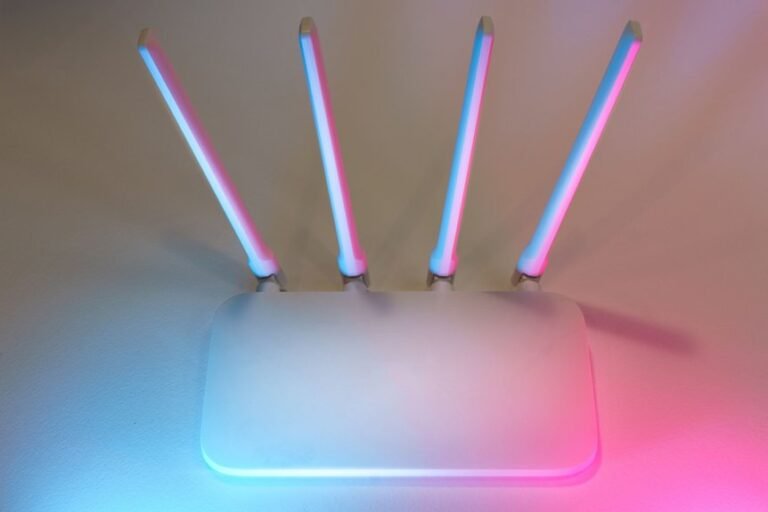
Access to the 168.1.1 Persian Router admin panel is described as the first step. The guide outlines precise login methods, including standard HTTP access and port 80 usage, with audit-friendly logs for login activity and firmware checks. It then presents a disciplined path for swift Wi‑Fi setup—SSID, WPA3 where available, strong passphrases, and WPS avoidance—followed by structured options for ongoing security and monitoring. The next stage promises targeted fine‑tuning, but a few essential details remain to be explored.
How to Access the 168.1.1 Persian Router Admin Panel
To access the 168.1.1 Persian router admin panel, open a web browser and navigate to http://168.1.1 or http://168.1.1:80.
The procedure logs access events, checks firmware updates, and enforces access rules.
Parental controls, troubleshooting steps, and security tweaks are documented; review access logs, apply firmware updates, configure parental controls, adjust access rules, and perform concise troubleshooting as needed for controlled freedom.
Quick Setup: Wi-Fi, Passwords, and Basic Security
Quick Setup focuses on establishing essential wireless access and foundational protections: configuring Wi-Fi, selecting a strong network password, and enabling basic security features.
The setup guide emphasizes deterministic steps: choose SSID, enable WPA3 where available, craft a unique passphrase, and disable WPS.
Implement privacy by updating firmware, monitor connected devices, and review security tips for ongoing risk mitigation.
Fine-Tune Network Settings: Parental Controls and Access Rules
Fine-tuning network settings involves implementing parental controls and access rules to regulate device usage and content exposure. The process focuses on configuring filtered content, time windows, and device-specific permissions without altering core connectivity. It emphasizes network security through controlled access, while enabling informed choices. Parental controls are applied alongside rule-based policies to balance freedom with responsible usage.
Troubleshooting and Next Steps: Common Problems and Fixes
Are common router issues leaving users unsure where to begin, and what fixes reliably address them?
The guide outlines a disciplined workflow: verify connections, reboot devices, and inspect firmware.
If problems persist, perform standardized tests, document outputs, and consult logs.
Addressing an unrelated topic conservatively prevents scope creep; apply miscellaneous troubleshooting steps only after baseline checks prove insufficient for stable performance.
Frequently Asked Questions
What Is the Default Login Page URL for 168.1.1 Persian Routers?
The default login page URL is 168.1.1, accessed via a browser. It enables access to security settings and configuration options; users should verify device branding. For security, change credentials and apply updates before use.
How to Reset the Router to Factory Settings?
The process to reset factory settings is straightforward: hold the recessed reset button for 10–15 seconds until lights flash, then restore defaults; after resetting, perform a firmware update to secure configuration and apply updated settings.
Can I Change the Admin Username Besides the Password?
Yes, a separate admin username can be configured alongside the password. For enhanced login security, the process involves changing the username first, then updating the password; ensure both credentials are stored securely, reducing exposure during login attempts.
How to Update the Router Firmware Manually?
To update firmware manually, one should download the correct image, verify checksum, and flash via administration panel, then reboot. The procedure includes firmware backup and security hardening steps to preserve options and minimize risk. Anachronism: “dial-up signal.”
Do I Need a VPN to Access the Admin Panel?
Access to the admin panel does not require a VPN by default; however, VPN access can strengthen security hardening. The administrator should evaluate remote exposure, implement strong credentials, and enable HTTPS, IP filtering, and regular firmware updates for enhanced protection.
Conclusion
The guide concludes with a precise, methodical recap: access the admin panel via 168.1.1, secure the WLAN with WPA3 and a strong passphrase, disable WPS, and monitor firmware updates. Parental controls and access rules are tuned for balanced usage, while ongoing device monitoring maintains accountability. Troubleshooting steps are straightforward and repeatable. As the adage goes, “Slow and steady wins the race”—consistency in security practices yields lasting, resilient network protection.