

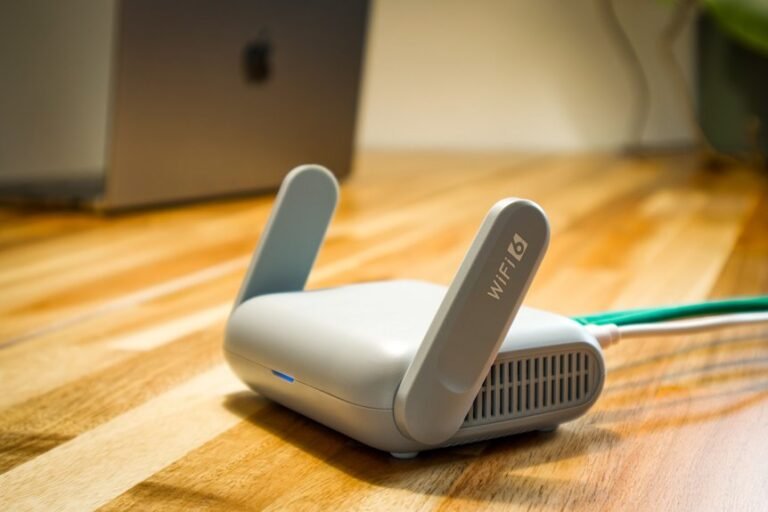
The discussion centers on a practical guide for accessing and securing a home router at 168.100.5, detailing how to locate the login page, connect devices on the same network, and initiate centralized configuration. It adopts a precise, methodical tone, outlining essential security steps such as WPA3, strong passwords, and disabling WPS, plus maintenance practices like firmware updates and guest isolation. The framework invites scrutiny of network segmentation and troubleshooting procedures, leaving readers with a concrete decision point that warrants careful consideration before proceeding.
What Is 168.100.5 Router Login and Why It Matters
The 168.100.5 router login refers to accessing the device’s administrative interface via its local network IP address. The process enables centralized control, configuration auditing, and monitoring of traffic. Understanding this access point supports security best practices and informed decision making. Proper implementation favors network segmentation, reducing exposure, containing breaches, and enhancing performance through isolated, purpose-driven network zones. Freedom through disciplined, deliberate management.
Step-By-Step: Access the 168.100.5 Login Page
To access the 168.100.5 login page, users must connect a device to the same local network and enter the router’s IP address into a web browser.
This segment presents Accessing login page procedures, emphasizing router IP discovery and step by step instructions.
The approach remains focused, not relevant to other sections, delivering precise, actionable guidance for informed configuration.
Secure Your Network: Configure Wi‑Fi, Passwords, and Encryption
Secure Wi‑Fi configuration is essential to protect the network from unauthorized access and data interception. The discussion outlines selecting strong encryption, enabling WPA3 where available, and disabling WPS. It emphasizes configuring robust passwords and changing defaults. Implement secure protocols, enable network isolation for guests, and enforce separate management access. Strong password habits and regular audits minimize exposure and sustain freedom through reliable connectivity.
Maintain Performance: Firmware Updates, Guest Networks, and Troubleshooting
Maintaining router performance hinges on timely firmware updates, effective guest-network management, and systematic troubleshooting.
Maintenance scripts automate routine checks, log anomalies, and schedule resets, ensuring continuity with minimal intervention.
Regular firmware validation preserves hardware reliability and security posture.
Troubleshooting relies on diagnostic data and documented procedures, enabling rapid isolation of faults while preserving user autonomy and network freedom.
Frequently Asked Questions
Can I Access 168.100.5 Remotely From Outside My Network?
Remote access is possible with proper exposure and secure configuration, but risks exist. The detached observer notes that remote access introduces security concerns, requiring strong authentication, encryption, firewall rules, and regular monitoring to balance freedom with protection.
What Should I Do if I Forget the Router Password?
Ironically, the router’s gatekeeper forgets nothing: perform a password reset. Access the device locally, press the reset button, set a new credential, then reconfigure security. This enables future remote access while maintaining controlled, documented access.
How Do I Back up and Restore Router Settings?
The procedure for backup configuration is performed by exporting the router’s current settings to a secure file, then storing it locally or remotely; restore settings is achieved by importing that file and applying the saved configuration to the device.
Are There Parental Controls Available on 168.100.5?
Symbolic dawn silhouettes the router’s duties: parental controls exists, though capabilities vary by model; remote access remains a separate, tightly governed feature. The system enforces limits, logs activity, and permits user-defined schedules for mindful, freedom-minded administration.
How Can I Reset the Router to Factory Defaults?
The router can be reset to factory defaults by pressing and holding the reset button until LED indicators blink, then reconfigure using default credentials; update firmware, set a guest network, and apply new login details.
Conclusion
The guide delivers a precise, methodical path to locating and securing the 168.100.5 router’s admin page. By emphasizing local IP discovery, same-network connection, and centralized auditing, it supports reliable configuration management. It also advocates WPA3, disabled WPS, robust credentials, and network segmentation to mitigate risk. An anticipated objection—“it’s too complex for non‑tech users”—is addressed by clear, stepwise actions and visual cues that simplify navigation, ensuring consistent setup and ongoing maintenance.